
Not sure how to change Keurig 2.0 water filter? Here are step-by-step instructions that will help you do it quickly and easily. Keurig water filter should be changed every 2 months or 60 tank refills. The water filter is located inside the water tank, on the valve at...
Prodigal week one: lessons and confessions
Prodigal week one: lessons and confessions
Prodigal week one: lessons and confessions
Prodigal week one: lessons and confessions
Prodigal week one: lessons and confessions
Prodigal week one: lessons and confessions
I Tested Keurig K Compact – Here’s Everything You Need To Know
The most affordable Keurig coffee maker is available exclusively at Walmart and comes at a sweet price of only $59.00. In this article, you’ll find out how good it really is, and also find additional information like how to clean it, or do you need a water...
Quick French Press Iced Coffee (No, It’s Not Cold Brew)
This is the absolute fastest way to make French press iced coffee. Just forget about cold brew concentrate – with this Quick French Press Iced Coffee Recipe you can have your iced coffee ready in 5 – 6 minutes. Who doesn’t like the French press?! It’s...
The coffee rose for assessing Anaerobic coffee
I just came across this really neat tool to assess anaerobic coffees. I haven't used it for cupping yet. I'm not sure I will like it either because the idea of lowering the score of the coffee just because it tastes has some thyme flavors. At the same time I...
Three US Coffee Championship Events Are Heading To Rancho Cucamonga
This article is from the coffee website Sprudge at http://sprudge.com. This is the RSS feed version. The 2024 US Barista Championship, Brewers Cup, and Cup Tasters will take place March 15-17 at Klatch Coffee Roasters in Rancho Cucamonga, California.
The Origin Story of Turtle Island Coffee in Vancouver, B.C.
A new Indigenous-owned coffee company based in Vancouver, British Columbia, called Turtle Island Coffee has launched with the goal of exposing more people to high quality specialty coffee and Indigenous...
Get Ready for The Barista League’s 2024 Season
The Barista League has announced 12 competitions across four continents. BY J. MARIE CARLANBARISTA MAGAZINE ONLINE Photos courtesy of The Barista League When The Barista…
Get Ready for The Barista League’s 2024 Season
The Barista League has announced 12 competitions across four continents. BY J. MARIE CARLANBARISTA MAGAZINE ONLINE Photos courtesy of The Barista League When The Barista…
Get Ready for The Barista League’s 2024 Season
The Barista League has announced 12 competitions across four continents. BY J. MARIE CARLANBARISTA MAGAZINE ONLINE Photos courtesy of The Barista League When The Barista League announces new events, it’s worth paying attention! This year, the schedule will be...
Weekly Coffee News: EUDR and Africa + More Celebrity Coffee
Welcome to DCN’s Weekly Coffee News. Keep up with all the latest coffee industry stories and career opportunities by subscribing to DCN’s newsletter. Tell our editors about your news here. Report: Small-Scale Farmers in...
Do Higher Coffee Prices Mean More Money For Farmers? A Story From Sumatra Shows It’s Complicated
This article is from the coffee website Sprudge at http://sprudge.com. This is the RSS feed version. Since coffee costs more now than ever, do those coffee prices impact the amount of money earned by coffee farmers?
Coffee News Recap, 2 Feb: Applications open for Australia’s Richest Barista 2024, De’Longhi reports 4.6% revenue increase after La Marzocco move & other stories
Every Friday, Perfect Daily Grind rounds up the top coffee industry news from the previous week. Here are this week’s coffee news stories. The word of the week is: expansion. Mon, 29 Jan AeroPress launches limited-edition Clear Pink brewer. The coffee brewer is made...
Watch The 8 Best Coffee Videos Vying For Sprudgie Awards
This article is from the coffee website Sprudge at http://sprudge.com. This is the RSS feed version. The best coffee videos from 2023 featuring Cafe Imports, Aramse, Nguyen Coffee Supply, Wildly, Mirror Coffee Roasters, Alto Stories, Quek Shio, and Cafe Retiro.
Robusta is great and has untapped potential
I live in the US and my typical choice of coffee is lightly roasted Ethiopian pour overs. I generally love acidity and fruit flavors in my coffee. My experience with Robusta has often been poor. Very dark, roasty and maybe chocolatey. I participated in the Hoffman...
Design Details: Brewing Reinvented at ULA Café in Melbourne
Welcome to Design Details, an ongoing editorial feature in Daily Coffee News focused on individual examples of coffee shop architecture, interior design, packaging design or branding. If you are a coffee...
Robert Downey Jr.’s New “Happy Coffee” Is Really Depressing
This article is from the coffee website Sprudge at http://sprudge.com. This is the RSS feed version. Robert Downey Jr. and Craig Dubitsky team up for Happy Coffee.
Out Now: The February + March 2024 Issue of Barista Magazine!
In our new issue we feature Lisa Lawson from Glasgow, Scotland, take a look at the newest grinders, explore spring drink inspiration, see how more women are getting involved in coffee tech, and much more! BY SARAH ALLENBARISTA MAGAZINE We’re stoked to announce the...
The coffee industry’s biggest competition: The story of the World Barista Championship
Every year, the global coffee industry gears up for one of its most exciting and groundbreaking competitions: the World Barista Championship. For more than two decades, the WBC has been one of the biggest catalysts for change and innovation in specialty coffee, and...
The 2023 Specialty Coffee Transaction Guide Has Landed
The 2023 edition of the Specialty Coffee Transaction Guide (SCTG) guide went live today, providing actors throughout the coffee chain a data-driven tool for green coffee price discovery. The full...
Espro great until I needed replacement filter ☹️
I've had an Espro P7 for nearly four years after seeing glowing praise on this sub (to which I later contributed). Before I bought the P7 I looked at the replacement parts available and they seemed like a solid company in that they sold e.g. replacement filters...
New Bill Requires More Kona In Your Kona Coffee
This article is from the coffee website Sprudge at http://sprudge.com. This is the RSS feed version. Currently a coffee only need to be 10% Kona to be labeled as such.
What’s the best and worst part about owning and running a coffee shop?
I'm not interested in getting into it myself, as I have no experience in the service industry, no real appetite for risk and no desire to run a business in general. But sometimes I think about it and I wonder what's the most enjoyable thing about it and...
minimum dose size?
I use the Hario switch to brew my coffee and am trying to reduce my caffeine consumption. Hence I would like to brew smaller cups of coffee. I am currently using 10g of coffee with 160g of water. (1:16 Ratio) I am wondering if there is a minimum amount of coffee...
[CAFE OWNERS] Background before starting a shop?
I’ve worked in coffee for 6 yrs as a barista and shift supervisor and have passion for it. I’ve decided that I want to open my own place in the future and so I’ve been doing the research to make a business plan. Lately, however, I’ve begun to realize just how many...
Prodigal week one: lessons and confessions

“Transparency,” like “sustainability,” is a word thrown around too often. Let’s face it, very little in modern society is truly sustainable. Likewise, transparency in business is always selective and limited.
It is nice to know that a roaster paid $10/kg FOB or $5/KG at the “farm gate” but do we know what that really means to the producer? It’s always more complicated than it seems. We paid $19/lb ($41.80/kg) before shipping for our two Betel coffees, but we don’t know César’s input costs or the cost of living in his part of Colombia. I don’t know how he and his family are doing financially, but he produces lovely coffee and he seems happy.
It’s easy to say “this is what we paid” but it’s difficult to know what the numbers mean. One USD of income is a very different thing in Cauca and Copenhagen. I can imagine economists arguing endlessly about how to compare the value of a dollar in each place.
Financial transparency is nice, but tricky to make sense of at times.
At Prodigal, we hope to practice a different type of transparency more relevant to our customers: owning up to our virtues and mistakes. I’ve ordered coffee from hundreds of respected roasters over the years, and as every honest, experienced coffee professional knows, inconsistency is rampant in our industry.
Sources of inconsistency in coffee
Green coffee quality can change radically from the cupping table at a mill, to a PSS (pre-ship sample) from an importer, to an arrival or spot sample offered in the country of the roaster. A small change in green temperature or ambient roastery temperature can be the difference between a deliciously developed and underdeveloped roast. Heck, even what was roasted the previous batch can dramatically impact the current batch, unless one has an appropriately slow, systematic BBP (between-batch protocol), and even then, there are times when a BBP has a difficult time compensating for extreme changes in batch-to-batch roast styles (eg switching from a dark roast to a light roast or changing batch sizes mid-session can cause a roaster fits.) Throw in problems with water chemistry, brewing technique, and grind quality, and it’s a wonder that we ever enjoy two consecutive cups of coffee.
Prodigal: consistency, standards, and flops
When Mark and I launched Prodigal, we fretted over every detail that could affect quality, and we still came up short in some ways. For example, we cupped over 100 green samples, begged suppliers to be very selective in what they sent us, and we purchased only seven coffees.
All of the coffees we purchased cupped at 87.5+ as PSS. We score strictly, and if you see any green sellers or roasters claiming they are awash with 88+ coffees, please disregard them. Score inflation is real. We calibrate with COE judges and impartial Q Graders, not marketing scores.
Upon arrival, a few coffees held up and matched their PSS quality, and a few declined by 0.25-0.75 points across numerous sample roasts. We made the difficult decision to not sell those coffees as “Prodigal” because we want to uphold a certain standard for our brand, even if it means we sell less coffee. All of the rejected coffees are still lovely, and i reckon almost any coffee pro would happily drink them.
We are selling our good-but-rejected arrivals as green coffee to home roasters, as they are tasty, and a bargain relative to what home roasters can source through the usual channels.
Green buying is the most important and difficult job of a roasting company. Green coffee is alive and constantly changing. Precious, delicious green gets exposed to a variety of conditions between the mill and the roastery that can and will degrade quality. We missed by a little on three of our seven purchases. We will find transparent ways to unload our green that doesn’t make the cut.
Roasting
I separate third-wave roasters into three groups; note that companies I refer to here may offer more than one roast level or style. I am focusing on their “filter” roast offerings, and don’t mean to imply that they target only one goal or style for all of their offerings. They are merely illustrative examples using high-quality, familiar roasting companies. I have enjoyed coffee from all of these companies and roast styles at times.
“Nordic” style roasters favor cup clarity above all else. Examples of such roasters include Sey, La Cabra, and Tim Wendelboe (Tim crosses over into the “maximum juiciness” group frequently, in my opinion.) Fans of those companies are virtually allergic to “roast” flavors and most fans would probably choose to sacrifice some sweetness, body, and juiciness to achieve maximum clarity. One may often need to “rest” Nordic roasts for several weeks or months to decrease the perception of underdeveloped flavors.
“Maximum juiciness” roasters target a balance of acidity and sweetness, and are willing to sacrifice a bit of body or clarity to achieve their aims. Such companies include Regalia, Nomad, and Doubleshot.
“Fully developed” third-wave roasters focus on sweetness and juiciness, and sacrifice a some acidity and clarity to meet their goals. Examples of such roasters include Onyx, Go Get ‘Em Tiger, and Blue Bottle.
Each group has its fans and detractors. Some Nordic-style fans tend to call everything else “dark,” which is like a guy who is 6’5” calling everyone else short.
The common complaints about Nordic roasts, beyond their light, tea-like body, include flavors reminiscent of peanuts, vegetable broth, grass, and cellulose. Most Nordic roasters drift into that flavor territory periodically. To me, it is a fail; to others, it’s no big deal.
“Maximum juiciness” roasts may be too low in clarity or acidity or body, depending on the coffee drinker.
“Fully developed” roasters may stray into “roasty” territory on occasion, or suppress acidity enough to make some coffees taste a little dull.
For the record, my personal preference is on the light end of maximum juiciness. But it is not always wise to attempt to target one’s ideal roast level, as discussed below.
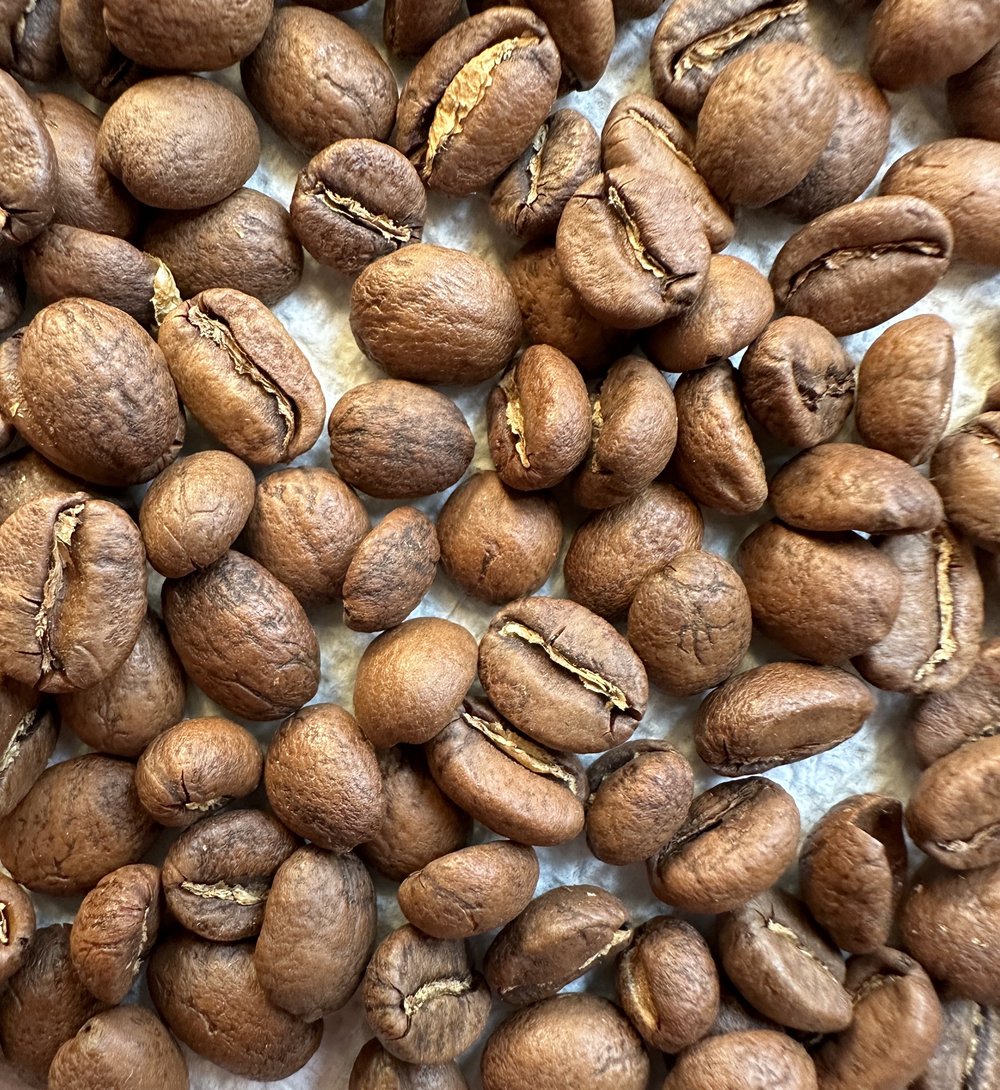
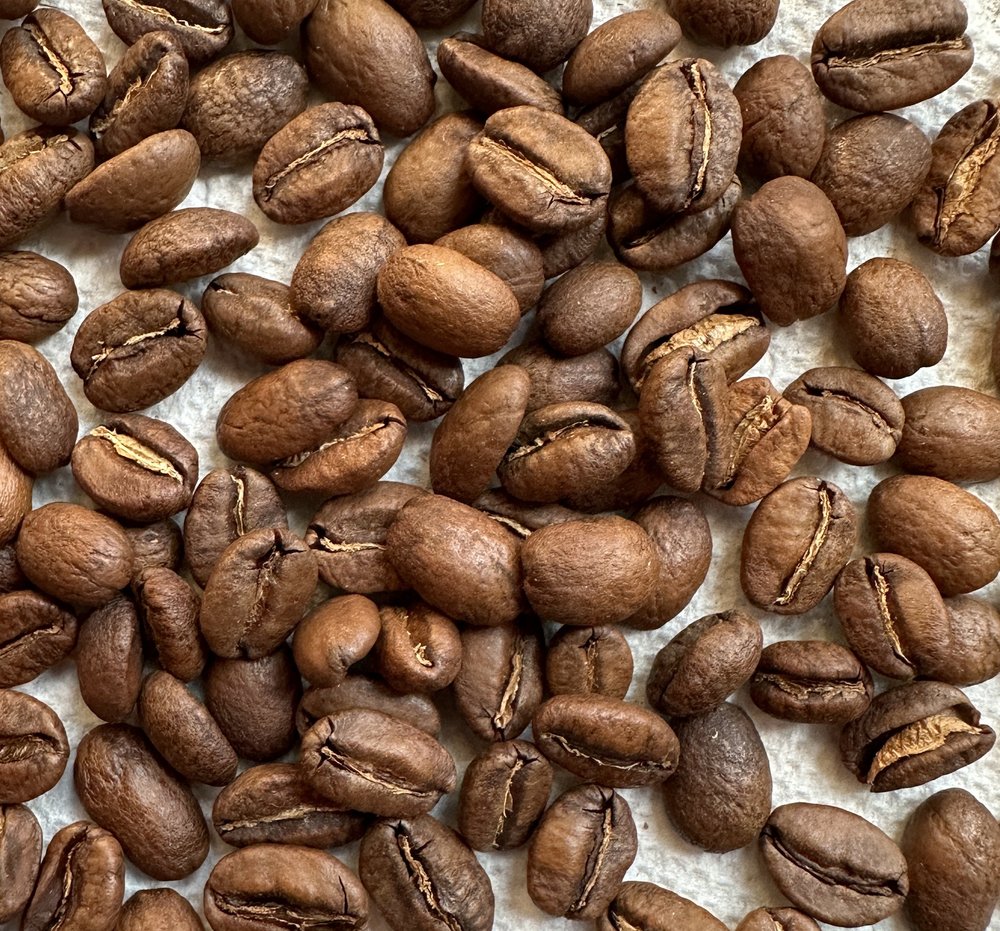
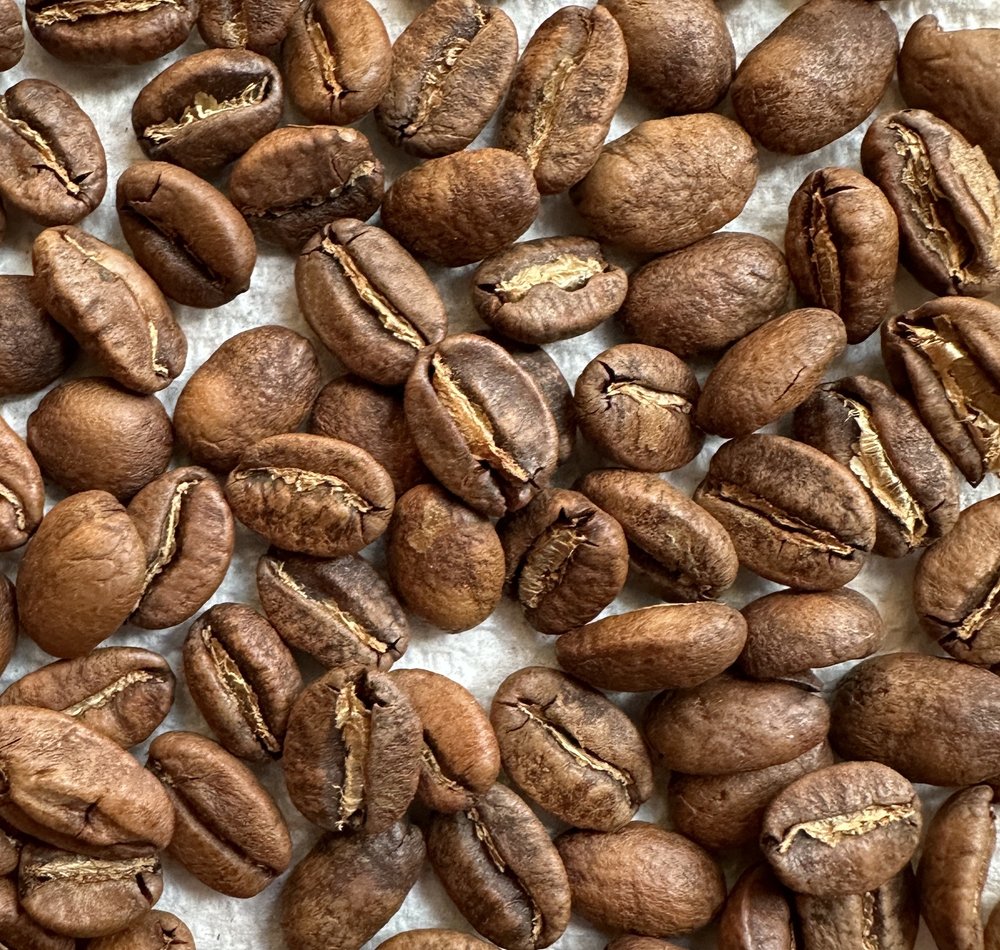
Prodigal beans, left to right: Betel geisha, Fidencio Castillo (caturra and Colombia varieties), and La Argentina pink bourbon
Prodigal’s roast style
We are currently roasting on a friend’s Probat. While we roast on that machine, we will target “maximum juiciness.” Once we have installed our IMF roasting machines, we are likely to lighten our roast level by a few degrees Fahrenheit, or approximately 5-10 points on the Agtron Gourmet Scale.
Why would we roast darker on a Probat than on an IMF? An IMF, like a Loring, is a convection-dominant machine that recirculates exhaust air through a burner held at 600 to 700°C. Such machines are very fuel efficient and make inner-bean development easier than do classic-drum roasters. When inner-bean-development is easier to achieve, it is safer to roast light with less risk of underdeveloped flavors.
My mistakes
When we launched Prodigal, we thought we had enough green to last a few weeks. Instead, we sold out in 24 hours. That presented several challenges to our efficiency and quality. We not only had to roast through the wee hours of the morning several days in a row, but we learned the hard way on our first roast day that our roastery’s ambient temperature was not stable enough to roast on our preferred knife’s edge of Nordic/maximum juiciness without flirting with underdeveloped flavors or losing some juiciness.
Three batches from day one went into bags of “first batch” beans we sell at a steep discount. The “first batch” offering was very popular, and we look forward to feedback from customers who purchased our “first batch” coffees.
To combat consistency and development problems, on day two we stabilized the roastery’s ambient temperature by roasting at night when no one would open doors to the frigid Colorado air. Along the way, we cupped every batch directly out of the roaster (!), as well as the next morning, and we were happy with the results. We see ways to improve, and we see every batch and cupping as an opportunity to learn and improve.
We will always cup every batch before packing it in Prodigal bags. It’s time consuming and makes our systems less efficient, but we think it’s worth it.
Unfortunately, those roasts from day one lost some vibrancy over the next few days, and I reckon by the time some international customers receive those beans, the roasts will be in the “fully developed” camp. We’re thrilled with their sweetness, and none of those batches tastes “roasty,” but we missed the sweet spot on several batches from day one. I’m frankly a little embarrassed by that. We will do everything in our power to ensure that never happens again. (Note: please do not “rest” our beans; drink them ASAP upon delivery.)
Thankfully, the next two roast days were more on-target and consistent, we were able to safely lighten our drop temperatures by 3°F/1.5°C, and we now have a tighter rein on green-storage temperature, roastery ambient temperature, and our approach to the Probat. Perhaps 25% of our roasts fell in the “fully developed” camp and the other 75% were in the “maximum juiciness” category. Nothing was baked, underdeveloped, roasty, or flicked, but some of our roasts taste darker than we would have liked. If you purchased some Prodigal coffee and found it too dark, please let us know.
Our promises to you
Coffee is challenging. We’re always learning, our standards and preferences are always evolving, and we are all fallible. I rarely hear roasters own up to their mistakes or inconsistencies, and often see them fight back against legitimate customer complaints. I’d like to do things differently.
If you are ever unhappy with any Prodigal purchase, please reach out to us directly (preferably without maligning us online first) and we will find a way to satisfy you.
No company or roast style will please everyone, and I expect to hear an equal amount of “you roast too light” and “you roast too dark” comments over the coming years. We’ll do our best to set clear expectations, communicate about our mistakes, and manage customer relationships with respect.
www.getprodigal.com
We will alert our mailing list first when we have new coffees!