


This is the absolute fastest way to make French press iced coffee. Just forget about cold brew concentrate – with this Quick French Press Iced Coffee Recipe you can have your iced coffee ready in 5 – 6 minutes. Who doesn’t like the French press?! It’s...
How to Make Cold Brew Coffee – The Ultimate Guide
How to Make Cold Brew Coffee – The Ultimate Guide
How to Make Cold Brew Coffee – The Ultimate Guide
How to Make Cold Brew Coffee – The Ultimate Guide
How to Make Cold Brew Coffee – The Ultimate Guide
How to Make Cold Brew Coffee – The Ultimate Guide
I Tested Keurig K Compact – Here’s Everything You Need To Know
The most affordable Keurig coffee maker is available exclusively at Walmart and comes at a sweet price of only $59.00. In this article, you’ll find out how good it really is, and also find additional information like how to clean it, or do you need a water...
Here’s How to Change Keurig 2.0 Water Filter Easily
Not sure how to change Keurig 2.0 water filter? Here are step-by-step instructions that will help you do it quickly and easily. Keurig water filter should be changed every 2 months or 60 tank refills. The water filter is located inside the water tank, on the valve at...
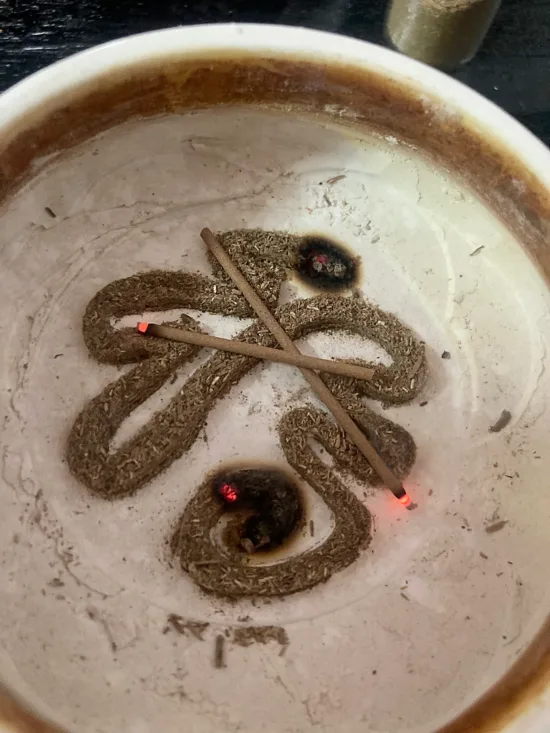
The coffee rose for assessing Anaerobic coffee
I just came across this really neat tool to assess anaerobic coffees. I haven't used it for cupping yet. I'm not sure I will like it either because the idea of lowering the score of the coffee just because it tastes has some thyme flavors. At the same time I...
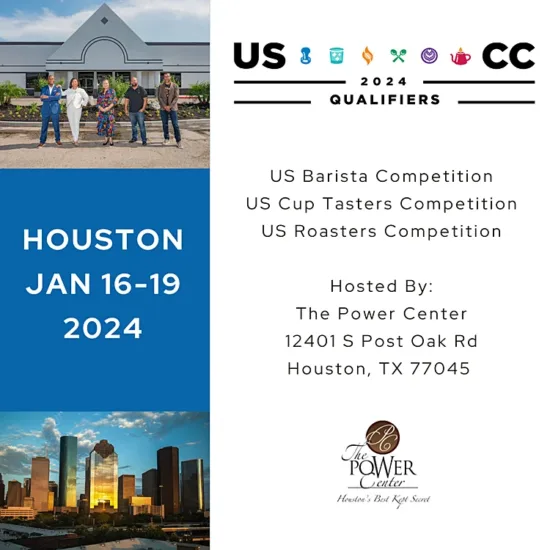
Three US Coffee Championship Events Are Heading To Rancho Cucamonga
This article is from the coffee website Sprudge at http://sprudge.com. This is the RSS feed version. The 2024 US Barista Championship, Brewers Cup, and Cup Tasters will take place March 15-17 at Klatch Coffee Roasters in Rancho Cucamonga, California.
The Origin Story of Turtle Island Coffee in Vancouver, B.C.
A new Indigenous-owned coffee company based in Vancouver, British Columbia, called Turtle Island Coffee has launched with the goal of exposing more people to high quality specialty coffee and Indigenous...
Get Ready for The Barista League’s 2024 Season
The Barista League has announced 12 competitions across four continents. BY J. MARIE CARLANBARISTA MAGAZINE ONLINE Photos courtesy of The Barista League When The Barista…
Get Ready for The Barista League’s 2024 Season
The Barista League has announced 12 competitions across four continents. BY J. MARIE CARLANBARISTA MAGAZINE ONLINE Photos courtesy of The Barista League When The Barista…
Get Ready for The Barista League’s 2024 Season
The Barista League has announced 12 competitions across four continents. BY J. MARIE CARLANBARISTA MAGAZINE ONLINE Photos courtesy of The Barista League When The Barista League announces new events, it’s worth paying attention! This year, the schedule will be...
Weekly Coffee News: EUDR and Africa + More Celebrity Coffee
Welcome to DCN’s Weekly Coffee News. Keep up with all the latest coffee industry stories and career opportunities by subscribing to DCN’s newsletter. Tell our editors about your news here. Report: Small-Scale Farmers in...
Do Higher Coffee Prices Mean More Money For Farmers? A Story From Sumatra Shows It’s Complicated
This article is from the coffee website Sprudge at http://sprudge.com. This is the RSS feed version. Since coffee costs more now than ever, do those coffee prices impact the amount of money earned by coffee farmers?
Coffee News Recap, 2 Feb: Applications open for Australia’s Richest Barista 2024, De’Longhi reports 4.6% revenue increase after La Marzocco move & other stories
Every Friday, Perfect Daily Grind rounds up the top coffee industry news from the previous week. Here are this week’s coffee news stories. The word of the week is: expansion. Mon, 29 Jan AeroPress launches limited-edition Clear Pink brewer. The coffee brewer is made...
Watch The 8 Best Coffee Videos Vying For Sprudgie Awards
This article is from the coffee website Sprudge at http://sprudge.com. This is the RSS feed version. The best coffee videos from 2023 featuring Cafe Imports, Aramse, Nguyen Coffee Supply, Wildly, Mirror Coffee Roasters, Alto Stories, Quek Shio, and Cafe Retiro.
Robusta is great and has untapped potential
I live in the US and my typical choice of coffee is lightly roasted Ethiopian pour overs. I generally love acidity and fruit flavors in my coffee. My experience with Robusta has often been poor. Very dark, roasty and maybe chocolatey. I participated in the Hoffman...
Design Details: Brewing Reinvented at ULA Café in Melbourne
Welcome to Design Details, an ongoing editorial feature in Daily Coffee News focused on individual examples of coffee shop architecture, interior design, packaging design or branding. If you are a coffee...
Robert Downey Jr.’s New “Happy Coffee” Is Really Depressing
This article is from the coffee website Sprudge at http://sprudge.com. This is the RSS feed version. Robert Downey Jr. and Craig Dubitsky team up for Happy Coffee.
Out Now: The February + March 2024 Issue of Barista Magazine!
In our new issue we feature Lisa Lawson from Glasgow, Scotland, take a look at the newest grinders, explore spring drink inspiration, see how more women are getting involved in coffee tech, and much more! BY SARAH ALLENBARISTA MAGAZINE We’re stoked to announce the...
The coffee industry’s biggest competition: The story of the World Barista Championship
Every year, the global coffee industry gears up for one of its most exciting and groundbreaking competitions: the World Barista Championship. For more than two decades, the WBC has been one of the biggest catalysts for change and innovation in specialty coffee, and...
The 2023 Specialty Coffee Transaction Guide Has Landed
The 2023 edition of the Specialty Coffee Transaction Guide (SCTG) guide went live today, providing actors throughout the coffee chain a data-driven tool for green coffee price discovery. The full...
Espro great until I needed replacement filter ☹️
I've had an Espro P7 for nearly four years after seeing glowing praise on this sub (to which I later contributed). Before I bought the P7 I looked at the replacement parts available and they seemed like a solid company in that they sold e.g. replacement filters...
New Bill Requires More Kona In Your Kona Coffee
This article is from the coffee website Sprudge at http://sprudge.com. This is the RSS feed version. Currently a coffee only need to be 10% Kona to be labeled as such.
What’s the best and worst part about owning and running a coffee shop?
I'm not interested in getting into it myself, as I have no experience in the service industry, no real appetite for risk and no desire to run a business in general. But sometimes I think about it and I wonder what's the most enjoyable thing about it and...
minimum dose size?
I use the Hario switch to brew my coffee and am trying to reduce my caffeine consumption. Hence I would like to brew smaller cups of coffee. I am currently using 10g of coffee with 160g of water. (1:16 Ratio) I am wondering if there is a minimum amount of coffee...
[CAFE OWNERS] Background before starting a shop?
I’ve worked in coffee for 6 yrs as a barista and shift supervisor and have passion for it. I’ve decided that I want to open my own place in the future and so I’ve been doing the research to make a business plan. Lately, however, I’ve begun to realize just how many...
How to Make Cold Brew Coffee – The Ultimate Guide
How to Make Cold Brew Coffee –
The Ultimate Guide
Cold brew coffee is totally in right now, so it makes sense that you want to jump on the bandwagon. You can pay out the nose for it at your nearest ‘bucks, or you can easily make it at home for pennies on the dollar.
I’m all for saving some moola when I can, and, truth be told, cold brewing is by far the easiest method for making truly delicious coffee. I’m here to help, my fellow coffee lover, because I’m going to tell you how to make cold brew coffee.
The Prologue
Our story begins approximately 6,303 miles away, in Japan. Specifically, in Kyoto, Japan, a place I adore. It makes all the more sense why I love it so much — my coffee senses were telling me this place was significant to my morning joe.
It began in the 1600s, and Kyoto-style coffee is the first documented time of making anything resembling a cold brew coffee. Much like most other things that come from this unique country, even their cold brew is made with an artistic, quirky flare.
Rather than submerging the grounds for 8-24 hours, the fancy-schmancy contraptions they use let cold water drip through the grounds one drop at a time every 1.5 seconds. The devices look exactly like the kind of thing you’d find in a hipster coffee shop and I’ve already added one to my cart to be delivered in t-minus 2 days. Will report findings.
After this point, you can trace some sort of cold-brew-type coffee to wartimes, but the French came the closest to making an actual cold brew for their troops. Called “Camp Coffee,” you can imagine that there was nothing pleasant about it.
Camp Coffee
“Camp Coffee” is a coffee concentrate mixed with sweetener. It was transported in a treacle-like consistency, the thought of which makes my stomach lurch. It was then reconstituted by soldiers using cold water. It was those soldiers returning from the Mazagran fortress that distributed the idea of this cold cup of morning caffeine to the surrounding population.
There was some of a dissemination after that, selling cold brew coffee at markets and whatnot, but it actually wound up back in Japan to seal the deal — in 1960, Japan’s Ueshima Tadao took a twist on the popular coffee-flavored milk craze and essentially inverted the ratios. I know, I know, what?! Just what. Coffee-flavored milk? I feel you. I do. Japan is a strange, magical place.

Either way, those were the first canned coffees sold — cold brew, mixed with milk and sugar.
Let me tell you, though, I bought one while I was bumming around Kyoto. They use a syrupy sugar in there and it is deadly. Just from one coffee lover to another, unless you can figure out what’s in the can, watch what you sip.
Fast forward to the US though. You’ll probably notice that those cool, kyoto-style makers aren’t commonplace in the US. Only recently can I say that I’ve seen them in some of the smaller, hipper coffee shops.
Nah, we opt for a much less fussy route: steeping. Cafes quickly glommed on to selling cold brew coffee this way because, well, it’s super easy. Pretty much anyone can do it, and that anyone includes you.
It’s not the end…
The story doesn’t really end there, though, even though we’ve wound our way back to making it in our own kitchens. You can find pre-made cold brew bottles in grocery stores, even gas stations, and you can also buy some seriously wicked versions, like this one that’s made using “sonication-assisted extraction.” They use sound to extract the flavor into the cold water.
There’s some that even use pressurized nitrogen gas.
What is this magic?
Why Can’t I Just Add Ice Cubes to My Heated Coffee?
I mean, physically, I’m assuming that you can. I’m mostly just saying it’s a total cop out. If you’re pondering the difference, I’ll try to lay out plainly for you.
Hot coffee is made by quickly applying heat to ground beans — they oxidize and release all of their flavors. Whether it be the bitterness, the acidity, or the oils, it’s all getting steamed up and dumped into your mug.
Dropping ice cubes into that aggravated mixture changes the composition. It also waters the coffee down, but, hey, if you want to go to your nearest coffee chain and pay for half a cup of ice cubes at no less than 5 dollars a pop, that’s your hard-earned cash.
Cold brew coffee is different — the coffee-to-water ratio is higher, lending to a more caffeinated, smooth cup of the good stuff that doesn’t skimp on flavor. It also leaves out the excess bitterness that comes along with heating. There are also some beans that are better for cold brew than others, which is why we create a guide on the best coffee for cold brew.
To sum it up, cold brew coffee has a deeper taste, one that’s more concentrated, contains less acid, and can highlight the subtle notes of your grounds.
Wait…Less Acid?
Yes, sir or madam! Acid and acidity are two different things in the coffee world, as much as the words look alike. “Acidity” refers to the flavor and is being swapped with “bright” more and more to allay some of the confusion, but we still have a while to go before there’s a full switch over. Lots of paperwork to sign and whatnot.
“Acid” is the stuff that can be harsh on your stomach. It’s one of the cool side effects of not dumping superheated water onto your ground beans — less acid. If your morning coffee is doing a number on your gastrointestinal tract, cold brew coffee is about to become your best friend.
The Toddy, a cold and hot coffee maker, is a pro at this acid-reduction, claiming to reduce as much as 67% of the acid.
It’s also generally believed that cold brew coffee releases its caffeine slower, which can lead to a gentler jolt of energy without the subsequent crash. Just something to think on.
So…What’s the Drawback?
You are a shrewd one, my friend. It’s easy to make, it produces a smooth flavor, and… it can take as long as 24 hours to make.
Okay, I know, that’s one hell of brew time, but haven’t you ever heard of the saying, “good things come to those who wait?” Plus, cold brew is best made in large batches, especially since it stays golden for as long as two weeks.
Think of it: on Saturday, you load up the device, drink your first cup Monday morning, and don’t have to start the process again until two Saturdays later! That’s some perk to go along with that drawback, huh?
Secondly, it does take about twice the amount of grounds as a brew made hot. It is what it is. To get the concentrated flavor, you need to add more magic beans. ‘Tis the way of the world.
Fine. I’ll Bite. Tell Me How.
Yay! Let’s get to this. You honestly don’t need a whole lot and, if you’re skeptical, you can even make it work with things that you already have around your house.
You need a:
If you’re cool with dropped between 20-40 bucks on a cold brew coffee maker, though, I really do recommend that. They’re pretty affordable, so heavily consider it. Straining out the grounds yourself be messy. Take a look at our top picks here.
However, if you’d like to give it a shot before you drop any cash on the endeavor, you can grab any sealable container. A mason jar, a lemonade pitcher, whatever you’ve got handy really.
What we really need to chat about is the bag of whole coffee beans and conical burr coffee grinder. These are pretty non-negotiable items. Conical burr grinders are superior to the blade versions for a number of reasons, but primarily because they don’t create heat while chopping up the beans.
You want a bag of whole coffee beans because they’re the freshest and easiest to control. The moment beans are chopped up, they begin to stale much quicker. Also, you can’t manipulate the beans to the grind you need. For cold brew coffee, you need coarse grinds. Medium grinds, which is the way most beans are sold, will over-extract if you attempt to throw those in the container. We put together this handy coffee grind chart to help you get it just right!
Step By Step
Okie dokie. We’re ready. A lot of this is subjective, to be straight with you, so what I’m essentially giving you is a place to start. We’ll make 8 cups of coffee to begin with, so you can move the ratios around depending on how you feel about the results.
1
Coarsely grind up 1.5 cups of your favorite whole beans. Go ahead and dump that into the container of your liking.
2
Measure out 8 cups of water, and you can go ahead and dump that on in that container, too.
3
Throw it right on into the fridge. I mean, that’s just about it, really.
4
Set a timer on your smartphone for 12 hours ahead.
5
Wait. I like waiting around 12 hours. What I typically do is pop it in the fridge at around 6 pm so that it’s ready at about 6 am the next morning, which is, unfortunately, what time I have to get up for that little ol’ thing called a 9-to-5.
On the flip side of this, you can also wait up to 24 hours. Just know that the longer the coffee steeps, the stronger it’s going to get. I recommend trying the 12-hour version of the brew and upping it from there if you’re still craving something stronger.
Also, you can pop it in the refrigerator or leave it on the counter. It works both at room temperature as well as at colder ones. Typically, the colder the temperature, the longer it should steep. Again, though, you do what tastes good to you.
6
See, the primary reason why I think it’s worth it to snag a container made to steep cold brew is because they usually have super convenient ways to strain out the grounds. If you have a mesh filter on your percolator, you can use that. Many tutorials recommend cheese cloth, but that’s just not one of those things I have just… lying around, you know?
Either way, once the allotted time has passed, strain out all of the grounds.
7
Pour what you want into a mug, put the container holding the rest back in the fridge, and enjoy! Top it off with some ice for a refreshing summer drink that easily trumps all competition.

Heat It Up
Contrary to popular belief, you don’t have to drink it cold. It’s concentrated, so it actually works out well that you can add hot water to a cuppa cold brew to warm it up. Use a simple 3:1 (coffee: hot water) ratio to accomplish the task.
If you want it a tad hotter, you can pop it in the microwave for 10-15 seconds. The longer you heat it like that, though, the more it’ll bring out the bitterness, so just be aware.
Troubleshooting
It’s a pretty subjective art, like I said, but the cool part is that you have total control over it. We’ll talk through some of the most common issues and how to compensate for them the next time you make a cold brew batch.
Scenario #1
You: It’s stronger than Arnold Schwarzenegger during the 1980s. Like, I think it could wake the dead.
Me: Totally done it. How long did you leave it to steep? If you stuck to the 12 hours, cut back to ten and see if that suits you better. You can also opt to use less grounds. Take it down to about a cup and a third, instead of a cup and a half. Finally, make absolutely sure that you’re using the coarsest grounds possible.
Scenario #2
You: I just drank the last cup and it was… I don’t know, silty.
Me: Ooh, yeah. Okay. So you’ll probably want to coarser when you grind your beans next time. That can happen when the grind is too fine.
I mean, fact of the matter is, I can sit here and go through a few more of these, but they’re all really common sense. If the coffee doesn’t taste strong enough, steep it longer or add more grounds. Cold brew is really all about experimentation, and if that sounds exciting to you, then get to it. If the thought of figuring out your favorite combination of water and coffee and steeping time is purely exhausting, cold brew might not be the best route for you.
In Conclusion
Cold brew coffee is a fun adventure in cool caffeine, and, with spring finally officially here, now’s a good time to give it a go. Grab your favorite bag of beans, a sealable container, and get ready to enjoy a delicious cup in anywhere between 10 to 24 hours!
This has been a PSA on how to make cold brew coffee. Experiment, enjoy, and thank me later!
The post How to Make Cold Brew Coffee – The Ultimate Guide appeared first on Coffee or Bust.