
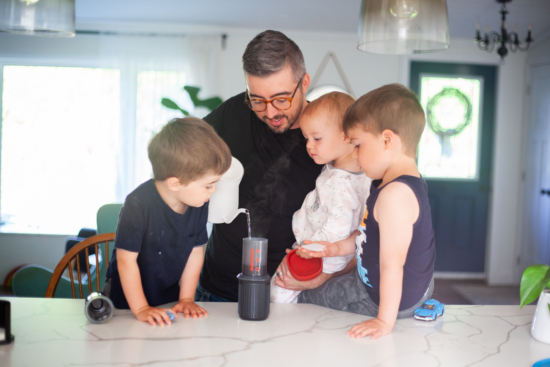
Not sure how to change Keurig 2.0 water filter? Here are step-by-step instructions that will help you do it quickly and easily. Keurig water filter should be changed every 2 months or 60 tank refills. The water filter is located inside the water tank, on the valve at...
Florencia y Fortunata: A Café Empowering Women in Peru
-

Chimney Hill Coffee
Price range: $18.99 through $79.99 -
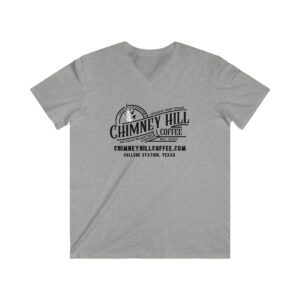
Chimney Hill Coffee Men’s Fitted V-Neck Short Sleeve Tee
Price range: $20.31 through $21.50 -
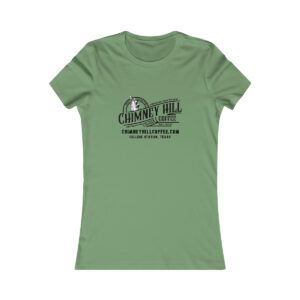
Chimney Hill Coffee Women’s Favorite Tee
Price range: $14.54 through $16.66 -
Chimney Hill Coffee Unisex Jersey Long Sleeve Tee
Price range: $19.49 through $29.11
Florencia y Fortunata: A Café Empowering Women in Peru
Florencia y Fortunata: A Café Empowering Women in Peru
Florencia y Fortunata: A Café Empowering Women in Peru
Florencia y Fortunata: A Café Empowering Women in Peru
Florencia y Fortunata: A Café Empowering Women in Peru
Quick French Press Iced Coffee (No, It’s Not Cold Brew)
This is the absolute fastest way to make French press iced coffee. Just forget about cold brew concentrate – with this Quick French Press Iced Coffee Recipe you can have your iced coffee ready in 5 – 6 minutes. Who doesn’t like the French press?! It’s...
I Tested Keurig K Compact – Here’s Everything You Need To Know
The most affordable Keurig coffee maker is available exclusively at Walmart and comes at a sweet price of only $59.00. In this article, you’ll find out how good it really is, and also find additional information like how to clean it, or do you need a water...
The coffee rose for assessing Anaerobic coffee
I just came across this really neat tool to assess anaerobic coffees. I haven't used it for cupping yet. I'm not sure I will like it either because the idea of lowering the score of the coffee just because it tastes has some thyme flavors. At the same time I...
Three US Coffee Championship Events Are Heading To Rancho Cucamonga
This article is from the coffee website Sprudge at http://sprudge.com. This is the RSS feed version. The 2024 US Barista Championship, Brewers Cup, and Cup Tasters will take place March 15-17 at Klatch Coffee Roasters in Rancho Cucamonga, California.
The Origin Story of Turtle Island Coffee in Vancouver, B.C.
A new Indigenous-owned coffee company based in Vancouver, British Columbia, called Turtle Island Coffee has launched with the goal of exposing more people to high quality specialty coffee and Indigenous...
Get Ready for The Barista League’s 2024 Season
The Barista League has announced 12 competitions across four continents. BY J. MARIE CARLANBARISTA MAGAZINE ONLINE Photos courtesy of The Barista League When The Barista…
Get Ready for The Barista League’s 2024 Season
The Barista League has announced 12 competitions across four continents. BY J. MARIE CARLANBARISTA MAGAZINE ONLINE Photos courtesy of The Barista League When The Barista…
Get Ready for The Barista League’s 2024 Season
The Barista League has announced 12 competitions across four continents. BY J. MARIE CARLANBARISTA MAGAZINE ONLINE Photos courtesy of The Barista League When The Barista League announces new events, it’s worth paying attention! This year, the schedule will be...
Weekly Coffee News: EUDR and Africa + More Celebrity Coffee
Welcome to DCN’s Weekly Coffee News. Keep up with all the latest coffee industry stories and career opportunities by subscribing to DCN’s newsletter. Tell our editors about your news here. Report: Small-Scale Farmers in...
Do Higher Coffee Prices Mean More Money For Farmers? A Story From Sumatra Shows It’s Complicated
This article is from the coffee website Sprudge at http://sprudge.com. This is the RSS feed version. Since coffee costs more now than ever, do those coffee prices impact the amount of money earned by coffee farmers?
Coffee News Recap, 2 Feb: Applications open for Australia’s Richest Barista 2024, De’Longhi reports 4.6% revenue increase after La Marzocco move & other stories
Every Friday, Perfect Daily Grind rounds up the top coffee industry news from the previous week. Here are this week’s coffee news stories. The word of the week is: expansion. Mon, 29 Jan AeroPress launches limited-edition Clear Pink brewer. The coffee brewer is made...
Watch The 8 Best Coffee Videos Vying For Sprudgie Awards
This article is from the coffee website Sprudge at http://sprudge.com. This is the RSS feed version. The best coffee videos from 2023 featuring Cafe Imports, Aramse, Nguyen Coffee Supply, Wildly, Mirror Coffee Roasters, Alto Stories, Quek Shio, and Cafe Retiro.
Robusta is great and has untapped potential
I live in the US and my typical choice of coffee is lightly roasted Ethiopian pour overs. I generally love acidity and fruit flavors in my coffee. My experience with Robusta has often been poor. Very dark, roasty and maybe chocolatey. I participated in the Hoffman...
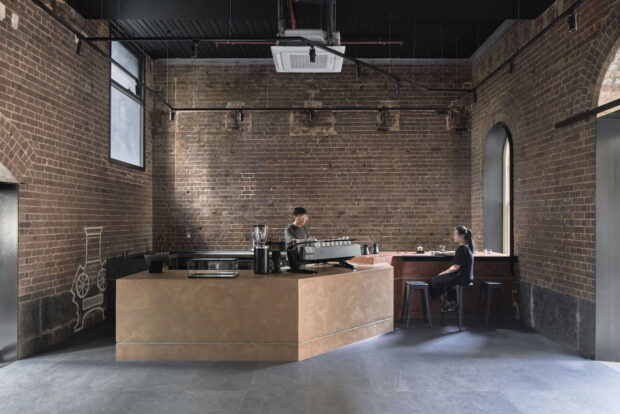
Design Details: Brewing Reinvented at ULA Café in Melbourne
Welcome to Design Details, an ongoing editorial feature in Daily Coffee News focused on individual examples of coffee shop architecture, interior design, packaging design or branding. If you are a coffee...
Robert Downey Jr.’s New “Happy Coffee” Is Really Depressing
This article is from the coffee website Sprudge at http://sprudge.com. This is the RSS feed version. Robert Downey Jr. and Craig Dubitsky team up for Happy Coffee.
Out Now: The February + March 2024 Issue of Barista Magazine!
In our new issue we feature Lisa Lawson from Glasgow, Scotland, take a look at the newest grinders, explore spring drink inspiration, see how more women are getting involved in coffee tech, and much more! BY SARAH ALLENBARISTA MAGAZINE We’re stoked to announce the...
The coffee industry’s biggest competition: The story of the World Barista Championship
Every year, the global coffee industry gears up for one of its most exciting and groundbreaking competitions: the World Barista Championship. For more than two decades, the WBC has been one of the biggest catalysts for change and innovation in specialty coffee, and...
The 2023 Specialty Coffee Transaction Guide Has Landed
The 2023 edition of the Specialty Coffee Transaction Guide (SCTG) guide went live today, providing actors throughout the coffee chain a data-driven tool for green coffee price discovery. The full...
Espro great until I needed replacement filter ☹️
I've had an Espro P7 for nearly four years after seeing glowing praise on this sub (to which I later contributed). Before I bought the P7 I looked at the replacement parts available and they seemed like a solid company in that they sold e.g. replacement filters...
New Bill Requires More Kona In Your Kona Coffee
This article is from the coffee website Sprudge at http://sprudge.com. This is the RSS feed version. Currently a coffee only need to be 10% Kona to be labeled as such.
What’s the best and worst part about owning and running a coffee shop?
I'm not interested in getting into it myself, as I have no experience in the service industry, no real appetite for risk and no desire to run a business in general. But sometimes I think about it and I wonder what's the most enjoyable thing about it and...
minimum dose size?
I use the Hario switch to brew my coffee and am trying to reduce my caffeine consumption. Hence I would like to brew smaller cups of coffee. I am currently using 10g of coffee with 160g of water. (1:16 Ratio) I am wondering if there is a minimum amount of coffee...
[CAFE OWNERS] Background before starting a shop?
I’ve worked in coffee for 6 yrs as a barista and shift supervisor and have passion for it. I’ve decided that I want to open my own place in the future and so I’ve been doing the research to make a business plan. Lately, however, I’ve begun to realize just how many...
Florencia y Fortunata: A Café Empowering Women in Peru
The Cusco café, founded by Carolina Peralta Minaya, sells coffee from women producers and features women demonstrating their skills behind the bar.
BY JORDAN BUCHANAN
BARISTA MAGAZINE ONLINE
Photos courtesy of Carolina Peralta Minaya
Traceability, sustainability, and conscientiousness are key values pervading the specialty-coffee trade. For many consumers and traders, these values inform their decision to get involved in specialty coffee; this is what makes specialty coffee special for them. Most often, we see these values enacted through empowerment projects that work closely with coffee-producing communities at farms.
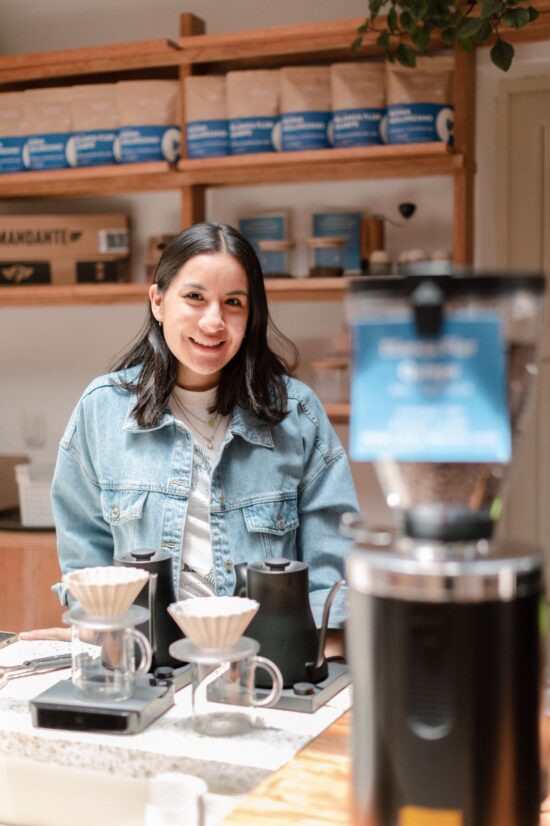
Meet Carolina Peralta Minaya
Carolina Peralta Minaya of Florencia y Fortunata, located in Cusco, Peru, is bringing female empowerment to the urban part of the specialty trade: the café. Her coffee-shop project endeavors to empower and make women visible throughout the coffee chain. The emphasis on women at the final stage of the chain makes for a unique example of how specialty coffee can be a source of positive change in society.
Carolina spent a lot of time conceptualizing and investigating how she could merge together specialty café culture in Peru with female empowerment. After studying gender politics, she went to Santa Teresa and Jaén, towns in the Peruvian coffee-producing regions of Cusco and Cajamarca, respectively. There, Carolina examined gender dynamics at coffee farms in the areas.
The Beginnings of Florencia y Fortunata
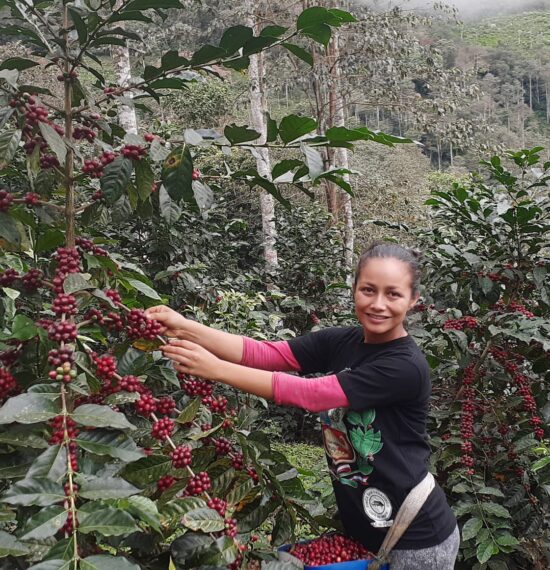
During this research, in 2020, Carolina met Consuelo Rubio and Blanca Flor Quispe in Jaén, Cajamarca. The mother and daughter were selling coffee using the name of their deceased husband and father, respectively, who was the original owner of the farm. Consuela felt that she needed to use the name of her deceased husband to gain recognition and sufficient payment for her coffee production. The discreet practice of using their male family members’ names was common among female farmers; this fact informed Carolina’s key ambition to increase the visibility of women in the coffee trade.
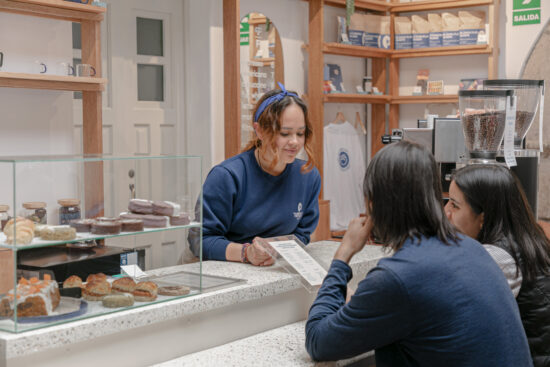
Something else stood out to Carolina: the distinct lack of women involved in coffee competitions and associations in Peru and at the global level. She observed closely the low representation and participation of women at coffee events. This examination of urban women and coffee also influenced her desire to improve conditions for women in cities. Following this formative period of research and contemplation, in May 2021, Carolina launched Florencia y Fortunata as a specialty café in Cusco.
A Business, a Social Project
Florencia y Fortunata thus came into existence as a distinct social project: a hybrid between private business and NGO. The café is the center of operations for a broad effort to improve visibility and opportunities for women, as well as to challenge social norms. The coffee that Carolina purchases for her café supports women at the start of the coffee chain. By providing reliable trade and cooperation for female farmers, she represents these women’s valuable work through the coffee shop. Carolina has successfully collaborated with female farmers to increase their image and pride as the core name and face of their products.
Urban coffee workers are often overlooked in social projects in coffee, especially at origin. But gender disparity in the urban environment does not slip past Carolina’s diligent eye for social issues. Florencia y Fortunata only employs women as baristas; increasing the visibility of women demonstrates their equal ability to work in a society that often considers women’s social roles to be elsewhere. Walking into Florencia y Fortunata, a female barista will greet you and gladly explain why this project exists. Then she’ll serve you a perfectly extracted drink of your choice; the baristas are confronting social bias face-on.
Working with Women
Providing quality training and empowerment for female baristas is core to the project. Carolina ensures that the training at the café helps her employees to understand gender norms and discrimination to enable them to navigate these issues in their own lives. Carolina prepares her employees to achieve their own aspirations in life; working for Florencia y Fortunata is a stepping stone for women, according to Carolina. It is an opportunity to bring women into the workplace, build their confidence, and advance their own hopes for success. She describes the work experience as a trampoline for her staff to reach their own aspirations and successes—they grow and they move on.
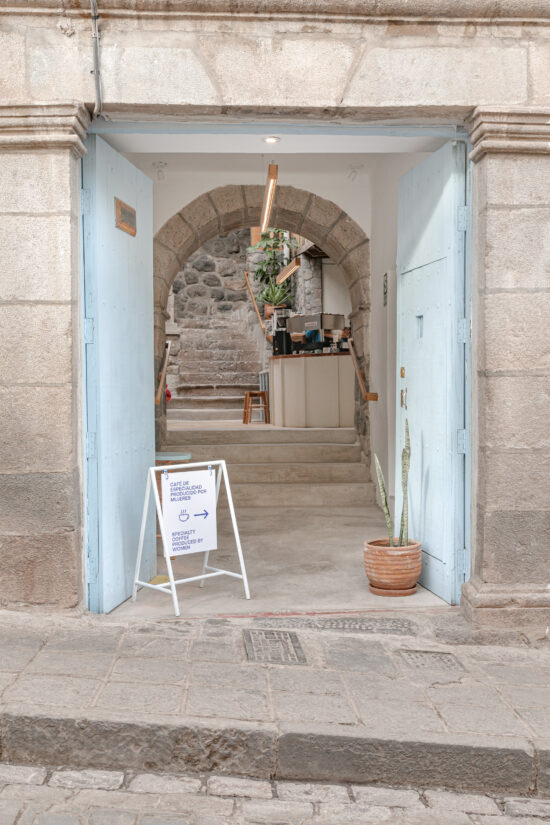
Empowering women in society and confronting social prejudice towards women is a collective effort to change social norms in Peru. Carolina did not want a business that would just make money. She wanted a project that satisfied her desire to have a positive impact on people. She pushes back against the traditional business model of “profit over people,” and stands strong in the face of conservative social norms in order to facilitate the growth of women and society as a whole.
This challenge to gender norms is an invaluable contribution of this project. Whether it be in urban or rural spaces, we need advocates in the coffee trade who are willing to resist discriminatory and oppressive social norms that reinforce inequality.
ABOUT THE AUTHOR
Jordan Buchanan (he/they) is completing their Ph.D. in Latin American history at UC San Diego. Their research focuses on the growth of specialty café cultures in producer nations in Latin America. Jordan grew up in Scotland and currently lives between there and Mexico when not doing doctoral work in San Diego. After purchasing their first AeroPress, Jordan has been an avid specialty-coffee enthusiast, which has added a new perspective to their lust for travel and exploration.
The post Florencia y Fortunata: A Café Empowering Women in Peru appeared first on Barista Magazine Online.