
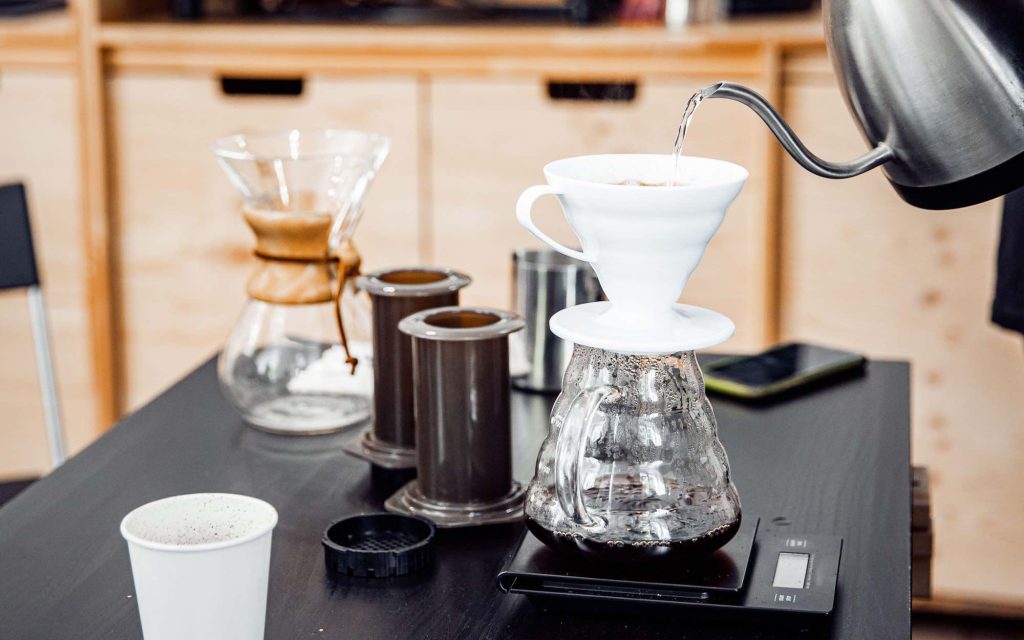
This is the absolute fastest way to make French press iced coffee. Just forget about cold brew concentrate – with this Quick French Press Iced Coffee Recipe you can have your iced coffee ready in 5 – 6 minutes. Who doesn’t like the French press?! It’s...
Kula Project: Cultivating Relationships and Entrepreneurship in Rwanda
Kula Project: Cultivating Relationships and Entrepreneurship in Rwanda
Kula Project: Cultivating Relationships and Entrepreneurship in Rwanda
Kula Project: Cultivating Relationships and Entrepreneurship in Rwanda
Kula Project: Cultivating Relationships and Entrepreneurship in Rwanda
Kula Project: Cultivating Relationships and Entrepreneurship in Rwanda
I Tested Keurig K Compact – Here’s Everything You Need To Know
The most affordable Keurig coffee maker is available exclusively at Walmart and comes at a sweet price of only $59.00. In this article, you’ll find out how good it really is, and also find additional information like how to clean it, or do you need a water...
Here’s How to Change Keurig 2.0 Water Filter Easily
Not sure how to change Keurig 2.0 water filter? Here are step-by-step instructions that will help you do it quickly and easily. Keurig water filter should be changed every 2 months or 60 tank refills. The water filter is located inside the water tank, on the valve at...
The coffee rose for assessing Anaerobic coffee
I just came across this really neat tool to assess anaerobic coffees. I haven't used it for cupping yet. I'm not sure I will like it either because the idea of lowering the score of the coffee just because it tastes has some thyme flavors. At the same time I...
Three US Coffee Championship Events Are Heading To Rancho Cucamonga
This article is from the coffee website Sprudge at http://sprudge.com. This is the RSS feed version. The 2024 US Barista Championship, Brewers Cup, and Cup Tasters will take place March 15-17 at Klatch Coffee Roasters in Rancho Cucamonga, California.
The Origin Story of Turtle Island Coffee in Vancouver, B.C.
A new Indigenous-owned coffee company based in Vancouver, British Columbia, called Turtle Island Coffee has launched with the goal of exposing more people to high quality specialty coffee and Indigenous...
Get Ready for The Barista League’s 2024 Season
The Barista League has announced 12 competitions across four continents. BY J. MARIE CARLANBARISTA MAGAZINE ONLINE Photos courtesy of The Barista League When The Barista…
Get Ready for The Barista League’s 2024 Season
The Barista League has announced 12 competitions across four continents. BY J. MARIE CARLANBARISTA MAGAZINE ONLINE Photos courtesy of The Barista League When The Barista…
Get Ready for The Barista League’s 2024 Season
The Barista League has announced 12 competitions across four continents. BY J. MARIE CARLANBARISTA MAGAZINE ONLINE Photos courtesy of The Barista League When The Barista League announces new events, it’s worth paying attention! This year, the schedule will be...
Weekly Coffee News: EUDR and Africa + More Celebrity Coffee
Welcome to DCN’s Weekly Coffee News. Keep up with all the latest coffee industry stories and career opportunities by subscribing to DCN’s newsletter. Tell our editors about your news here. Report: Small-Scale Farmers in...
Do Higher Coffee Prices Mean More Money For Farmers? A Story From Sumatra Shows It’s Complicated
This article is from the coffee website Sprudge at http://sprudge.com. This is the RSS feed version. Since coffee costs more now than ever, do those coffee prices impact the amount of money earned by coffee farmers?
Coffee News Recap, 2 Feb: Applications open for Australia’s Richest Barista 2024, De’Longhi reports 4.6% revenue increase after La Marzocco move & other stories
Every Friday, Perfect Daily Grind rounds up the top coffee industry news from the previous week. Here are this week’s coffee news stories. The word of the week is: expansion. Mon, 29 Jan AeroPress launches limited-edition Clear Pink brewer. The coffee brewer is made...
Watch The 8 Best Coffee Videos Vying For Sprudgie Awards
This article is from the coffee website Sprudge at http://sprudge.com. This is the RSS feed version. The best coffee videos from 2023 featuring Cafe Imports, Aramse, Nguyen Coffee Supply, Wildly, Mirror Coffee Roasters, Alto Stories, Quek Shio, and Cafe Retiro.
Robusta is great and has untapped potential
I live in the US and my typical choice of coffee is lightly roasted Ethiopian pour overs. I generally love acidity and fruit flavors in my coffee. My experience with Robusta has often been poor. Very dark, roasty and maybe chocolatey. I participated in the Hoffman...
Design Details: Brewing Reinvented at ULA Café in Melbourne
Welcome to Design Details, an ongoing editorial feature in Daily Coffee News focused on individual examples of coffee shop architecture, interior design, packaging design or branding. If you are a coffee...
Robert Downey Jr.’s New “Happy Coffee” Is Really Depressing
This article is from the coffee website Sprudge at http://sprudge.com. This is the RSS feed version. Robert Downey Jr. and Craig Dubitsky team up for Happy Coffee.
Out Now: The February + March 2024 Issue of Barista Magazine!
In our new issue we feature Lisa Lawson from Glasgow, Scotland, take a look at the newest grinders, explore spring drink inspiration, see how more women are getting involved in coffee tech, and much more! BY SARAH ALLENBARISTA MAGAZINE We’re stoked to announce the...
The coffee industry’s biggest competition: The story of the World Barista Championship
Every year, the global coffee industry gears up for one of its most exciting and groundbreaking competitions: the World Barista Championship. For more than two decades, the WBC has been one of the biggest catalysts for change and innovation in specialty coffee, and...
The 2023 Specialty Coffee Transaction Guide Has Landed
The 2023 edition of the Specialty Coffee Transaction Guide (SCTG) guide went live today, providing actors throughout the coffee chain a data-driven tool for green coffee price discovery. The full...
Espro great until I needed replacement filter ☹️
I've had an Espro P7 for nearly four years after seeing glowing praise on this sub (to which I later contributed). Before I bought the P7 I looked at the replacement parts available and they seemed like a solid company in that they sold e.g. replacement filters...
New Bill Requires More Kona In Your Kona Coffee
This article is from the coffee website Sprudge at http://sprudge.com. This is the RSS feed version. Currently a coffee only need to be 10% Kona to be labeled as such.
What’s the best and worst part about owning and running a coffee shop?
I'm not interested in getting into it myself, as I have no experience in the service industry, no real appetite for risk and no desire to run a business in general. But sometimes I think about it and I wonder what's the most enjoyable thing about it and...
minimum dose size?
I use the Hario switch to brew my coffee and am trying to reduce my caffeine consumption. Hence I would like to brew smaller cups of coffee. I am currently using 10g of coffee with 160g of water. (1:16 Ratio) I am wondering if there is a minimum amount of coffee...
[CAFE OWNERS] Background before starting a shop?
I’ve worked in coffee for 6 yrs as a barista and shift supervisor and have passion for it. I’ve decided that I want to open my own place in the future and so I’ve been doing the research to make a business plan. Lately, however, I’ve begun to realize just how many...
Kula Project: Cultivating Relationships and Entrepreneurship in Rwanda
The nonprofit Kula’s mission is to help eradicate poverty by empowering coffee farmers to create successful businesses
BY J. MARIE CARLAN
BARISTA MAGAZINE ONLINE
Photos courtesy of Kula Project
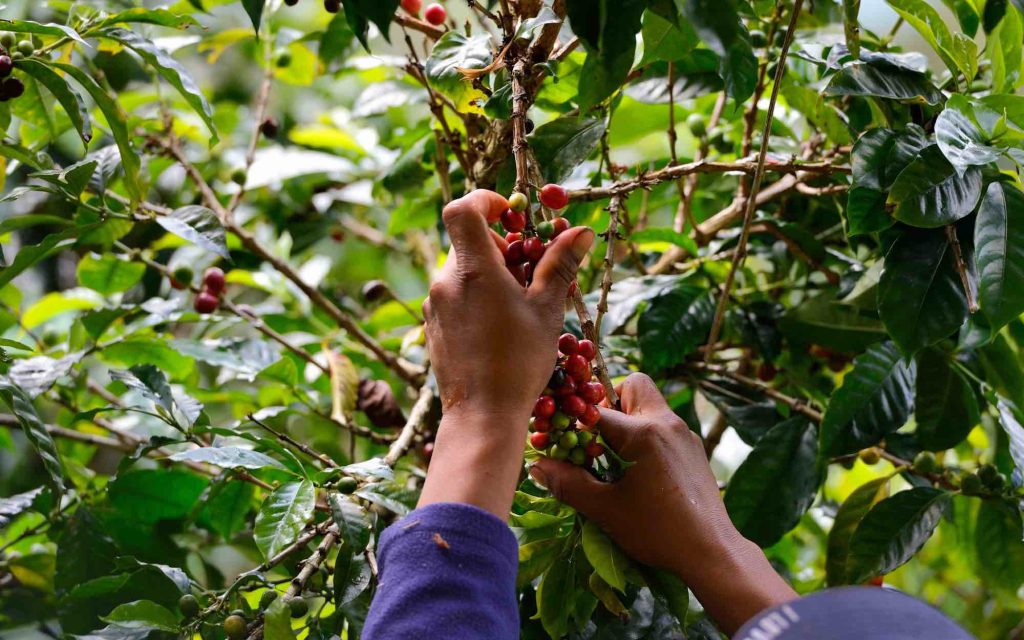
For a decade, the nonprofit Kula Project has been partnering with coffee communities in Rwanda to help eradicate poverty. Their approach began with a simple objective in mind: build relationships with coffee farmers, and find out how to meet their needs. Kula’s mission is not to provide charity to needy communities; rather, it is to empower farmers to build strong businesses to improve their lives.
Seedlings
Founder Sarah Buchanan-Sasson and her partner initially started out working with hydroponics in a few countries. This learning experience shaped their perspective; they realized that to do really helpful work, the best way was to work with farmers directly, build relationships, get feedback, and try new things. After a couple of years, they transitioned into farm-level work with coffee workers in Rwanda. They connected with people in coffee-growing regions and responded to the needs of the farmers. They began to provide coffee seedlings for farmers, as well as fertilizing and training. It began on a small scale in Northern Rwanda and gradually grew year by year. Kula Project saw a need to build another washing station early on in one region; they also began more training with local agronomists and provided more seedlings.
Rwanda’s Coffee Industry
Rwanda has a very structured coffee industry. After the social and political upheaval of the 1990s, the Rwandan government decided to prioritize the coffee industry to rebuild its exports. Each coffee community is placed in a specific zone, and farmers are required to use their zone’s designated washing station. The average coffee farmer in Rwanda has about 500 trees, so the industry there is primarily composed of small farms. Kula partners with local governments as well as the Ministry of Agriculture to help farmers achieve industry standards.
A Million Trees
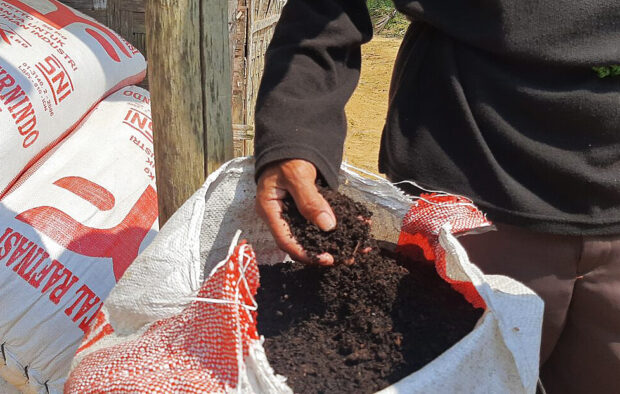
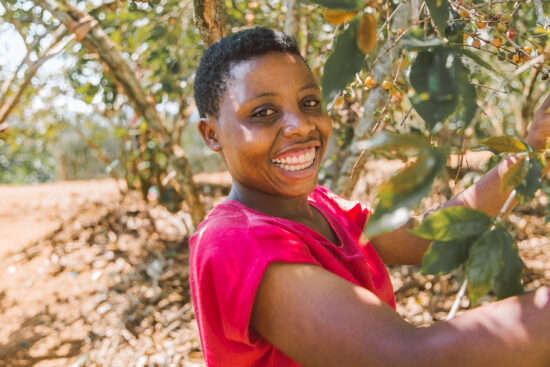
Kula, a partner of 1% For the Planet, also focuses on sustainability practices. They are investigating the effects of biochar soil amendment and the efficacy of different fertilizers. One of Kula’s major goals is planting trees. This began with coffee seedlings, but they also plant fruit trees and shade trees, depending on the specific needs of the community. By the end of 2022, Kula will have planted 600,000 trees; their target is 1 million trees by 2025.
Women’s Empowerment
Kula doesn’t stop at coffee, either. They’ve opened three women’s centers in Rwanda. During mentorship programs, women are involved in family decisions, and gender equality is encouraged. The reproductive health care teachings provided by social workers have helped decrease unplanned pregnancies, and now more women feel confident in family planning. Kula also provides artisan training so women have additional options to make income, and partners with Female Founder Collective.
Kula Fellowship Program
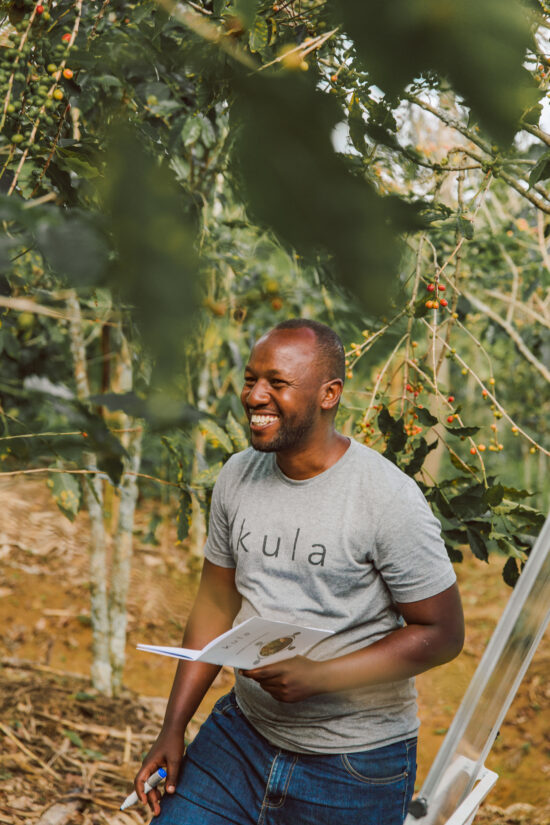
Kula Project’s biggest breakthrough was creating a business, mentorship, and personal development program. The 15-month business fellowship focuses on helping educate families with financial planning and business strategies. They also teach about nutrition, kitchen gardening, weeding and irrigation, reproductive health, and gender equality. Their mission is to help farmers create visions for their families and assist them with tools and training to meet their objectives. This enables them to improve their output (farmers involved in the program increase their coffee yield, on average, by 38%).
The mentorship program aims to provide holistic services to families to benefit every aspect of their lives. Kula checks in regularly during the process, partnering with Standard Co. to gather impact data on how the program is achieving its goals. Coffee communities personally offer feedback on the mentorship program at intervals during and after the program.
Business Investment and Market Access
In addition to mentorship, Kula offers business investment to farmers who have completed their training and created developed business models. This helps small farms invest in new equipment, seedlings, fertilizer, and anything else that will help their business grow. So far, 850 entrepreneurs have graduated from the Kula fellowship program, 100 businesses have been launched, and 65 businesses have been invested in.
Looking Ahead
In 2019, Kula bought a washing station and began delving into the green business. They realized they could directly help farmers by buying and distributing the coffees they grew. Increasing global market access to farmers was the most effective way to achieve that goal.
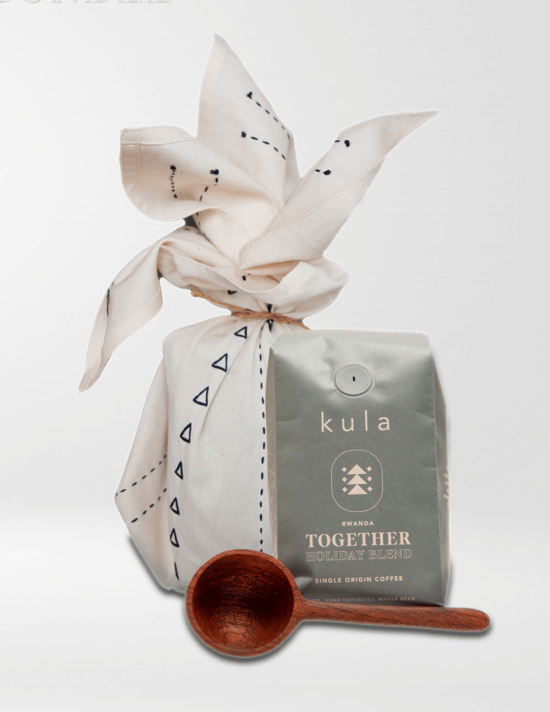
As a result of becoming green buyers, Kula Project now sells roasted coffee and other merchandise on its website. They currently have a Together holiday bundle for sale, which includes a handmade wooden coffee scoop by no. 41, a hand-sewn tea towel by Kuasa Collective, and a bag of the Together holiday blend coffee (a washed Jackson 2/1257 and Bourbon Mayaguez 139). All profits from shop sales support the work Kula is doing in Rwanda.
The impact of Kula’s work is impressive. However, Executive Director Nic Lauten says the work is far from over: “There’s more we can do to impact coffee farmers.” And Kula Project intends to keep going.
ABOUT THE AUTHOR
J. Marie Carlan (she/they) is the online editor for Barista Magazine. She’s been a barista for over a decade and writing since she was old enough to hold a pencil. When she’s not behind the espresso bar or toiling over content, you can find her perusing record stores, collecting bric-a-brac, writing poetry, and trying to keep the plants alive in her Denver apartment. She occasionally updates her blog.
The post Kula Project: Cultivating Relationships and Entrepreneurship in Rwanda appeared first on Barista Magazine Online.